
Digital Forensics
What Is Metadata and Why Does It Matter in an Investigation?

Metadata in investigations refers to information about digital files, messages, photographs, and other electronic records that may help establish when…
Read MoreEmail Evidence in Workplace Investigations

Email evidence in workplace investigations can help employers establish communication timelines, examine reported misconduct, and compare employee statements with documented…
Read MoreDeleted Text Messages and Digital Forensics: What May Be Recoverable?

Deleted text messages may be recoverable through digital forensics, but recovery depends on the device, operating system, available backups, cloud…
Read MoreGPS Tracking Evidence: What It Can and Cannot Prove

GPS tracking evidence can help establish where a vehicle or tracking device was located, when it traveled between locations, and…
Read MoreHow to Respond After Finding an Unknown GPS Tracker

Discovering an unfamiliar tracking device on a vehicle can be alarming, especially when there is no clear explanation for how…
Read MoreCan Someone Legally Put a GPS Tracker on a Vehicle?

Is it legal to put a GPS tracker on a vehicle? The answer depends on who owns or leases the…
Read MoreDigital Evidence Preservation: What Businesses Should Do First
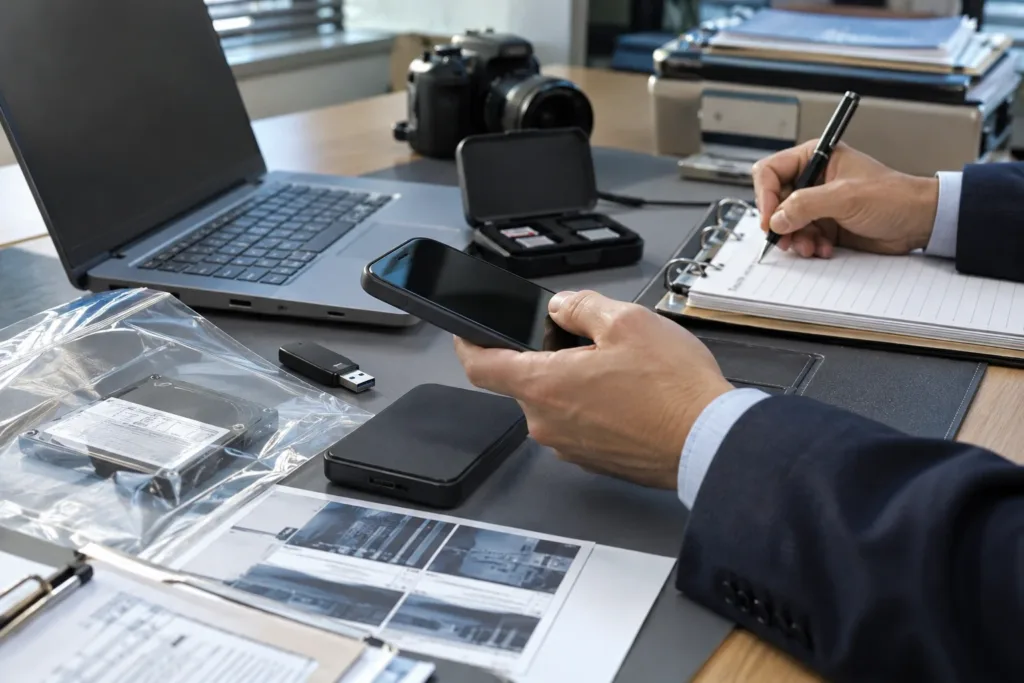
When a business discovers suspected employee misconduct, fraud, unauthorized access, data theft, a cybersecurity incident, or another issue that may…
Read MoreDigital Forensics vs. Traditional Investigation: What’s the Difference?
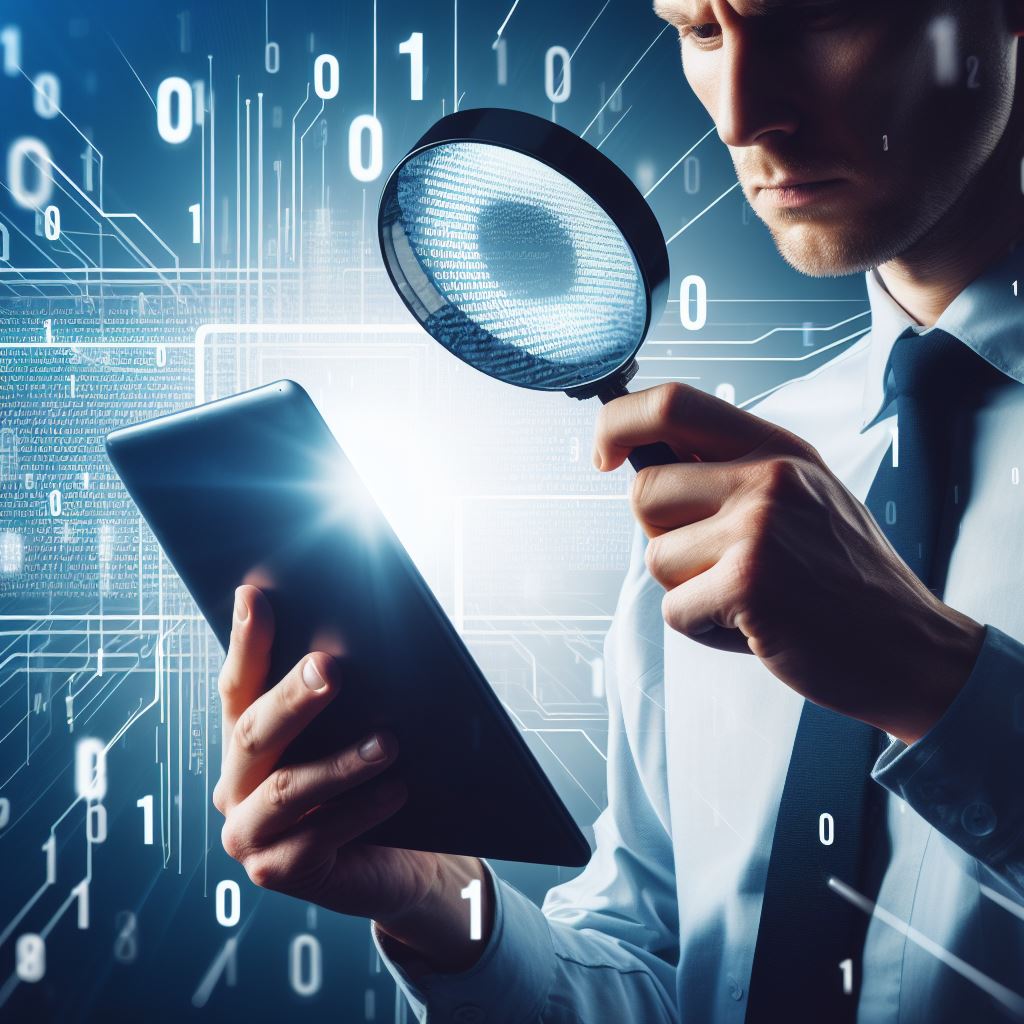
Not all investigations look the same anymore. In today’s world, solving a case often goes beyond interviews and paperwork. That’s…
Read More